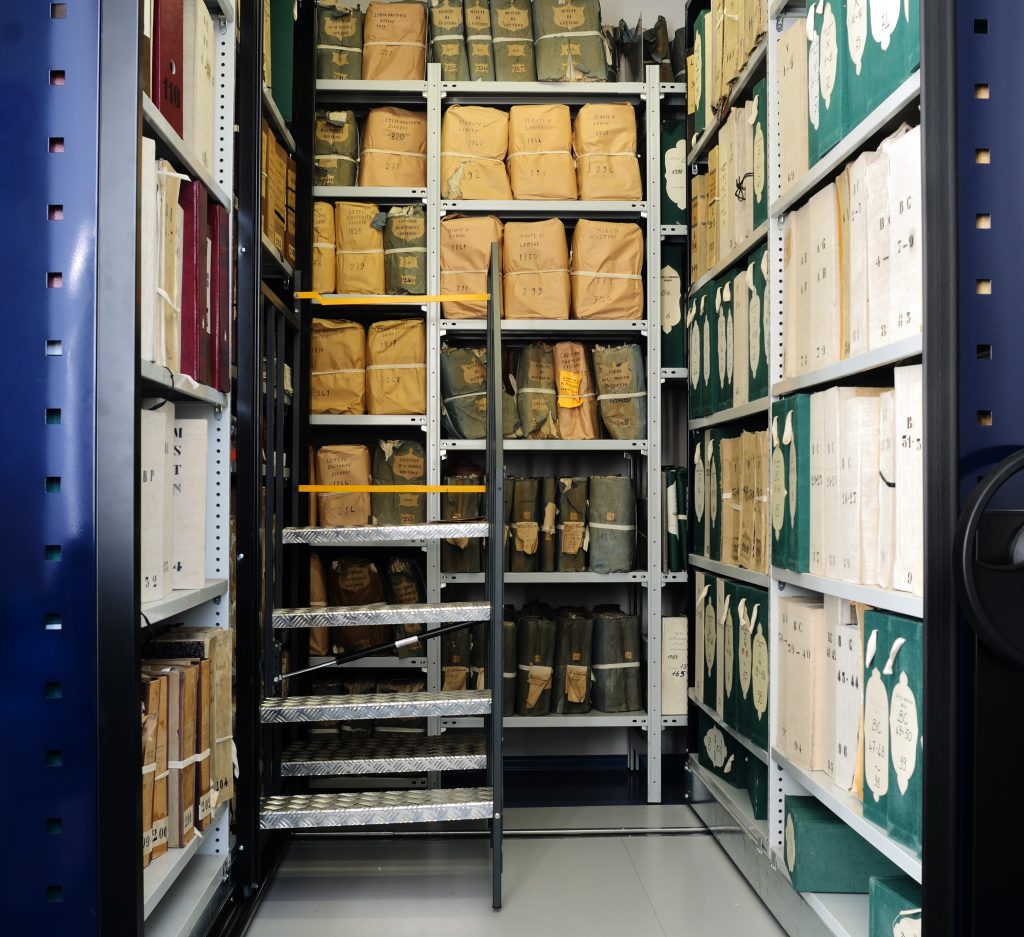
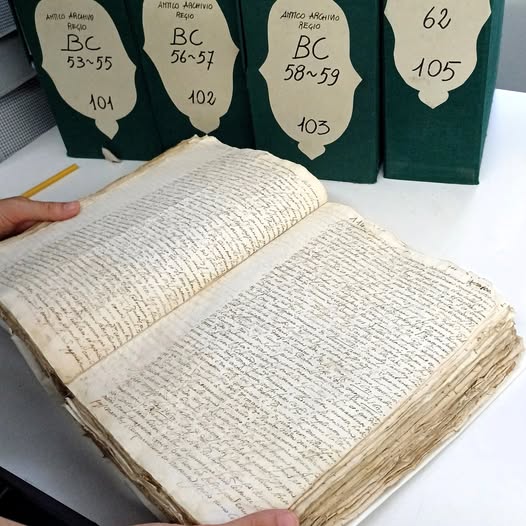
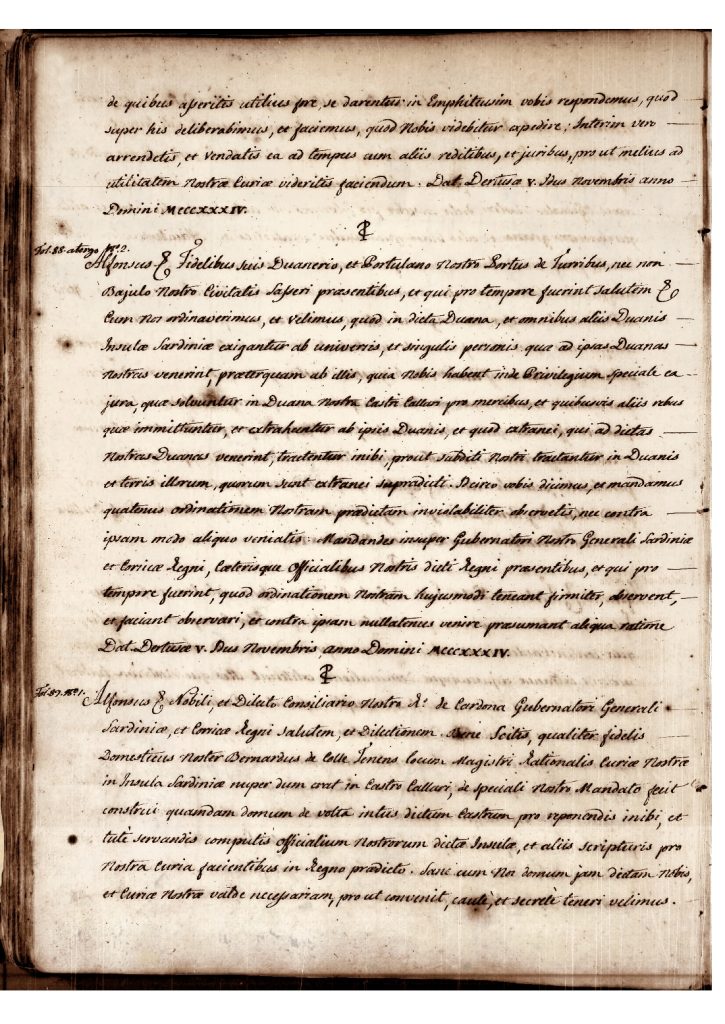
The Cagliari State Archives is one of the oldest archival institutions in Italy. Founded in the 14th century, it began as the general archive of the Regnum Sardiniae, at a time when written records were an essential instrument for governance, control, and territorial administration.
Over the centuries, the Archive has accompanied the island’s political and institutional transformations, through Aragonese, Spanish, Austrian, and Savoy rule, up to the Unification of Italy. Each historical phase has left deep traces in the organisation of the institution and in the documentary heritage preserved there, making the Archive a privileged observatory on the history of Sardinia.
READ MORE
From its origins, the Cagliari State Archives was conceived as a central tool of royal administration. The preserved documentation directly reflects the fiscal, judicial, and governmental functions exercised in the territory, configuring the Archive not only as a place of conservation but as an active instrument of public power.
In the seventeenth century, with the recognition of the archive’s patrimonial nature, awareness of the enduring value of documents as assets to be preserved over time grew stronger. Subsequently, in the eighteenth century, the Savoy reforms introduced more systematic criteria for classification and management, marking a decisive step towards a modern conception of the archive.
The political transformations of the nineteenth century, from the “perfect merger” of Sardinia with the Savoyard state to the Unification of Italy, led to a profound institutional reorganisation. The Cagliari Archive ceased to serve as the general archive of the Kingdom and assumed the role of State Archive with provincial jurisdiction, becoming firmly integrated into the national archival system.
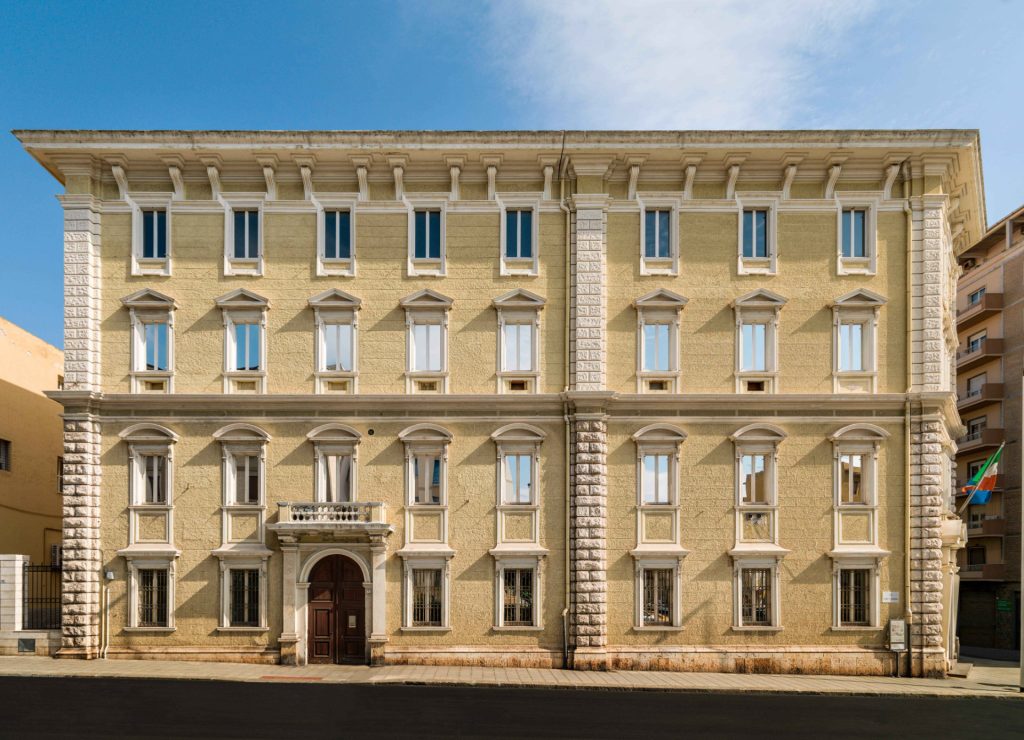
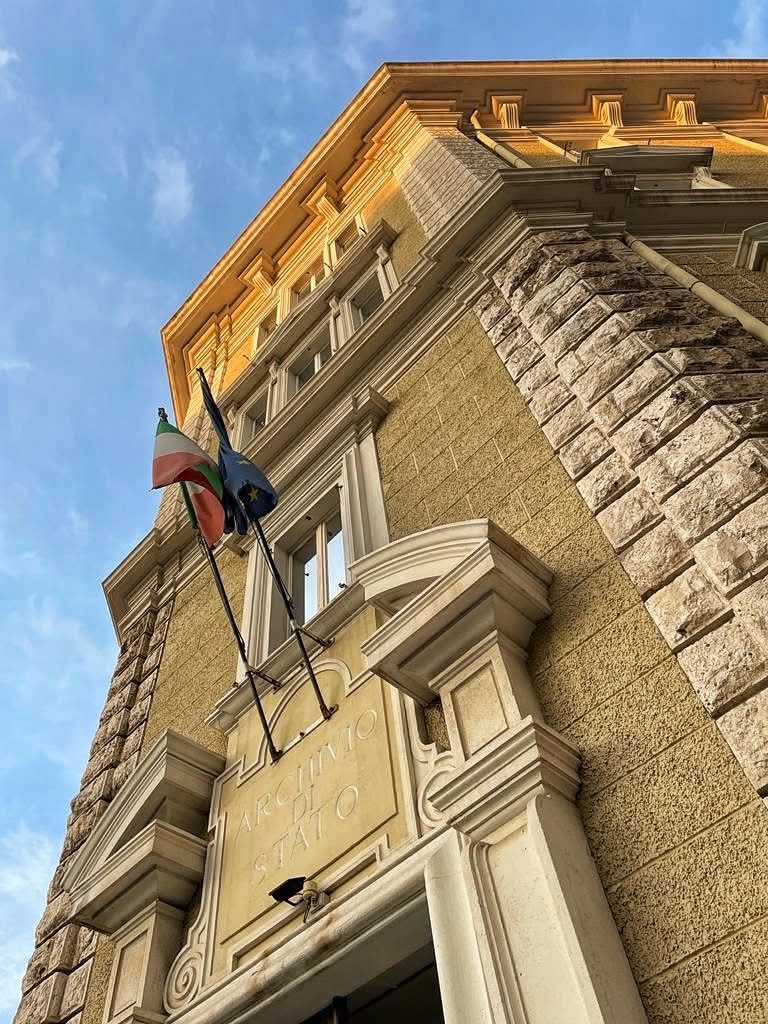
The inauguration of the historic headquarters in 1927 marked another turning point: the institution entered the modern era by acquiring spaces designed according to advanced principles of archival building. Throughout the twentieth century and up to the present day, the Cagliari State Archives has continued to evolve, expanding its functions. It has also reaffirmed its role as a guardian of public memory and a cultural resource for the community.