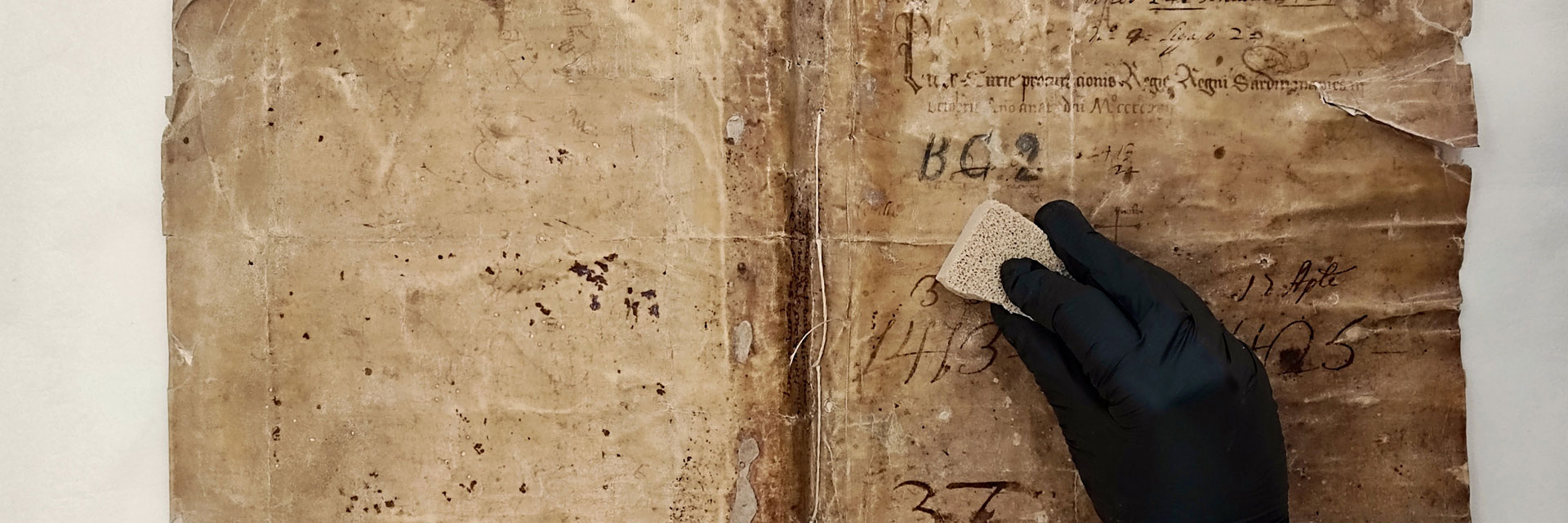
Restoration laboratory activities
Interventions and preservation practices to ensure the integrity, conservation and accessibility of sources
Restoring a document does not mean “making it look beautiful”, but enabling it to withstand the passage of time without losing legibility or material stability.
The protection of heritage is a set of practices aimed at preventing deterioration and, where necessary, intervening on documents to ensure their preservation and accessibility.
The laboratory carries out a range of interventions (from preventive conservation to restoration), according to the condition of the materials and their consultation requirements.
On this page you can understand how these practices work and view concrete examples of intervention through the case studies developed by the Institute.
We preserve the past
We rethink the future
Direct conservation
Targeted operations to stabilise materials and, where necessary, recover their integrity
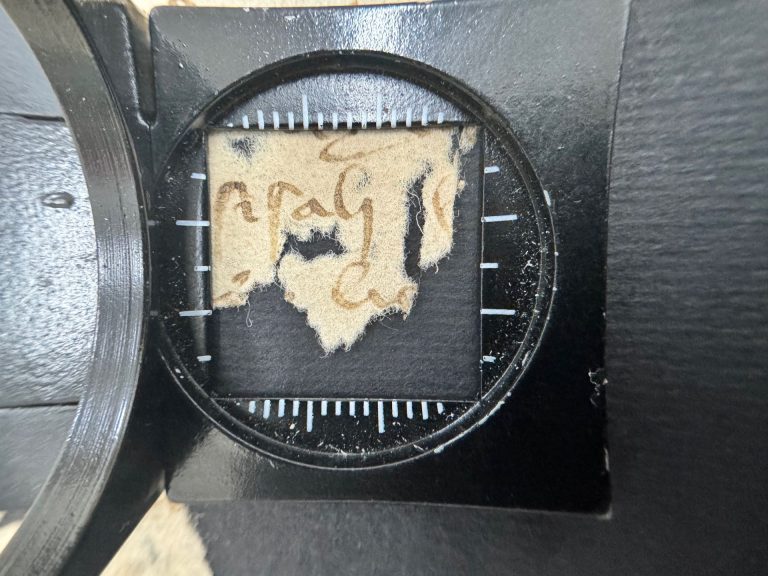
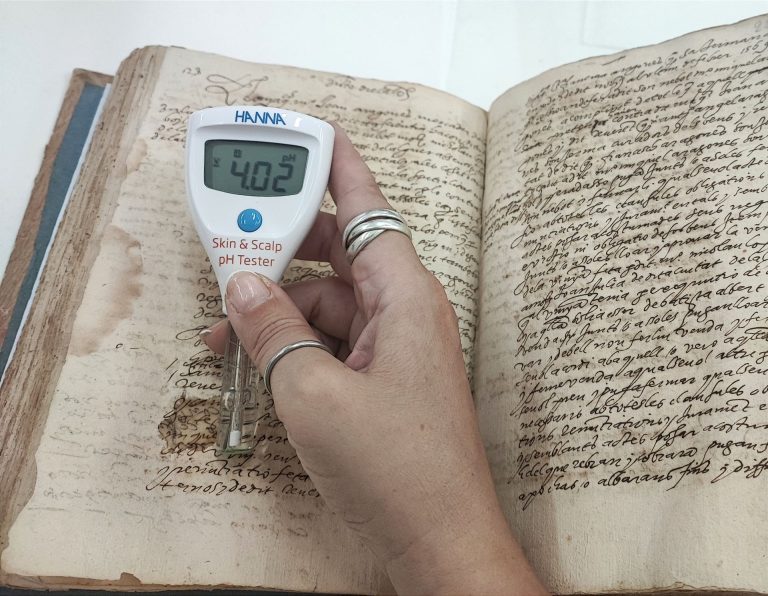
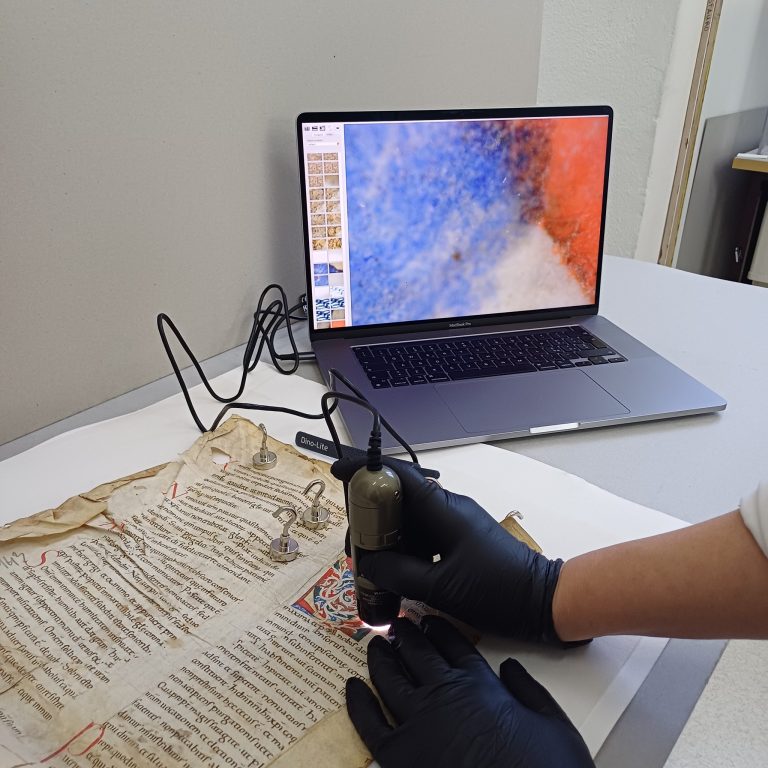
Direct conservation includes interventions applied directly to documents, aimed at slowing down or halting processes of deterioration.
These are minimally invasive operations carried out on the condition of the item, designed to stabilise its structure without altering its historical and material characteristics.
Interventions may be minimally invasive — where the objective is solely stabilisation — or more complex, where it is necessary to restore conditions of integrity and legibility.
Types of intervention:
Intervention aimed at adapting protective enclosures (archival folders, boxes and covers) to ensure the physical, chemical and mechanical protection of documents. It also improves their safe use and handling
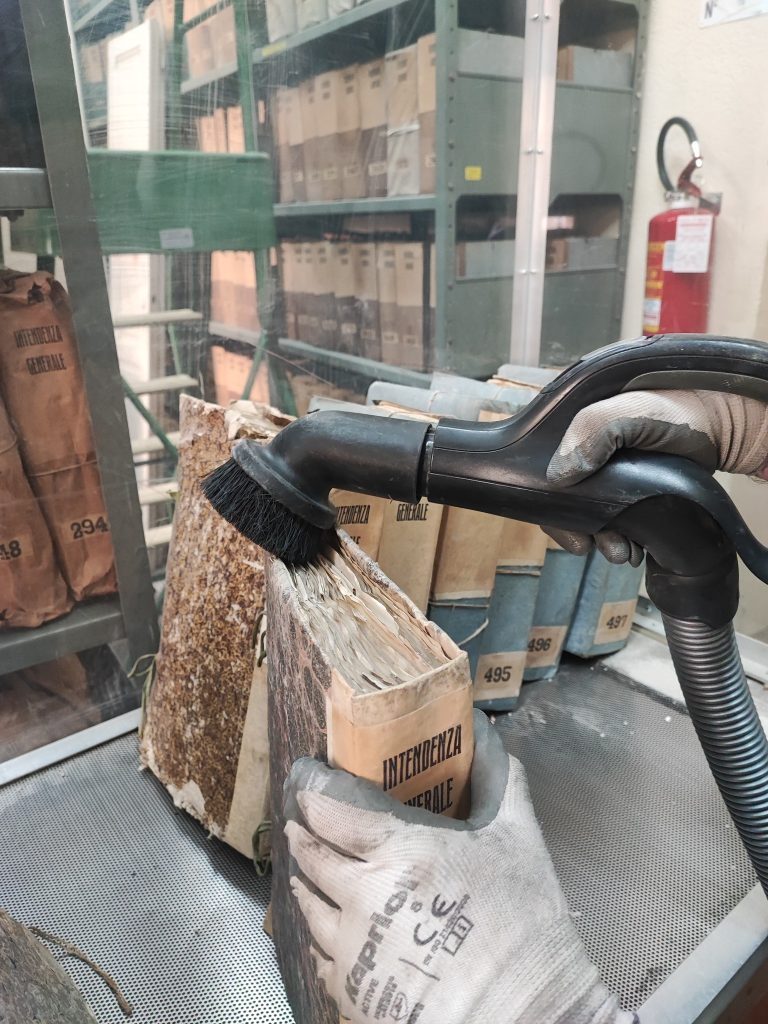
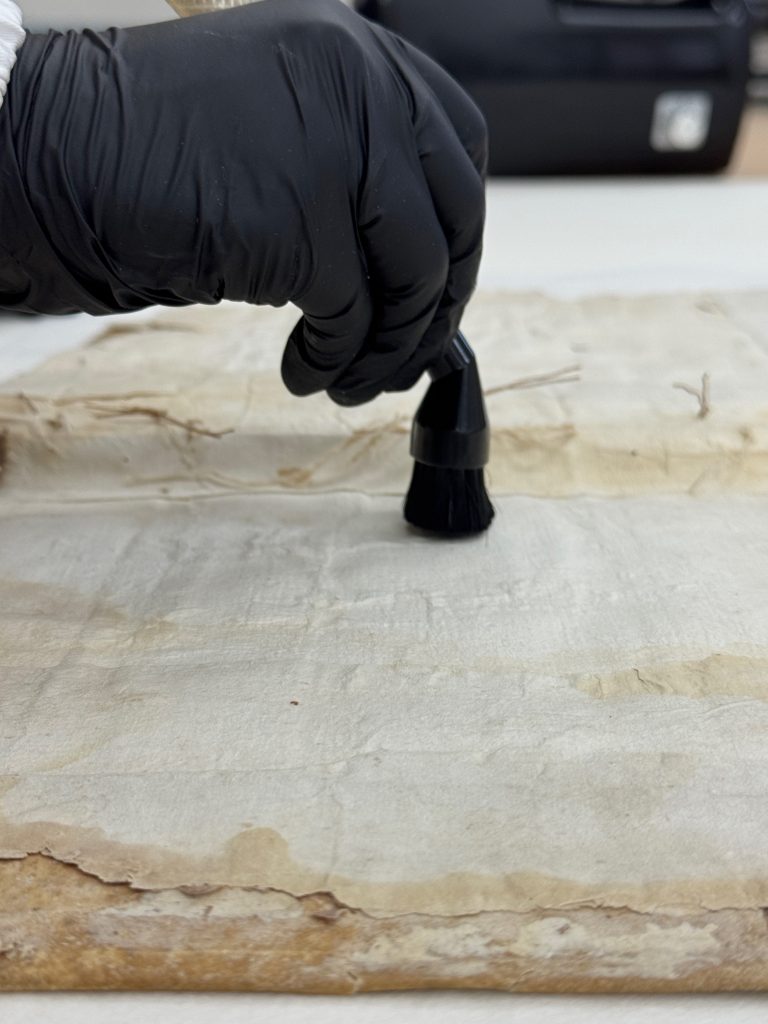
Operation aimed at the controlled removal of dust and surface particles using specific equipment (soft-bristled brushes, vacuum cleaners with HEPA filters and adjustable suction), carried out in order to reduce chemical and biological risks.
Localised microbiological treatment carried out using methods compatible with the original materials in order to eliminate or inactivate the deteriorating action of microbiological agents.
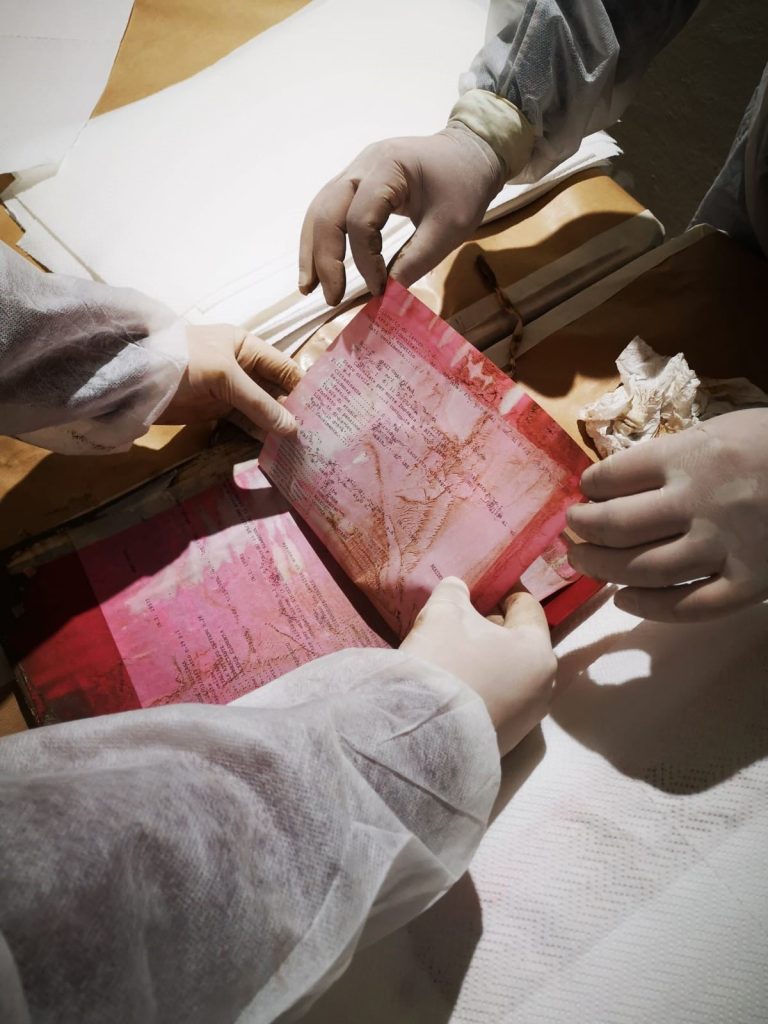
Set of urgent or provisional measures aimed at eliminating or reducing the immediate risk of damage. It consists of immediate, often temporary and non-invasive actions intended to contain the damage and prevent it from worsening. It may include temporary protective measures, isolation, controlled handling, and interventions aimed at restoring or consolidating the integrity of an individual structural element in relation to the whole. Its purpose is to preserve the material integrity of the item pending full restoration treatment.
Technical intervention aimed at recovering the physical and structural integrity of the original, while respecting its historicity and authenticity. It includes a wide range of operations, techniques and products, selected on a case-by-case basis according to the needs of the original item. Examples include surface cleaning, the consolidation of inks and pigments, flattening of the support, tear repair, infilling of losses, and the repair or reconstruction of historical sewing structures and bindings. All these operations must be carried out in accordance with the principles of historicity and the reversibility of the materials used.
Indirect conservation
Interventions on the environment and on the organisation of archival holdings to prevent deterioration
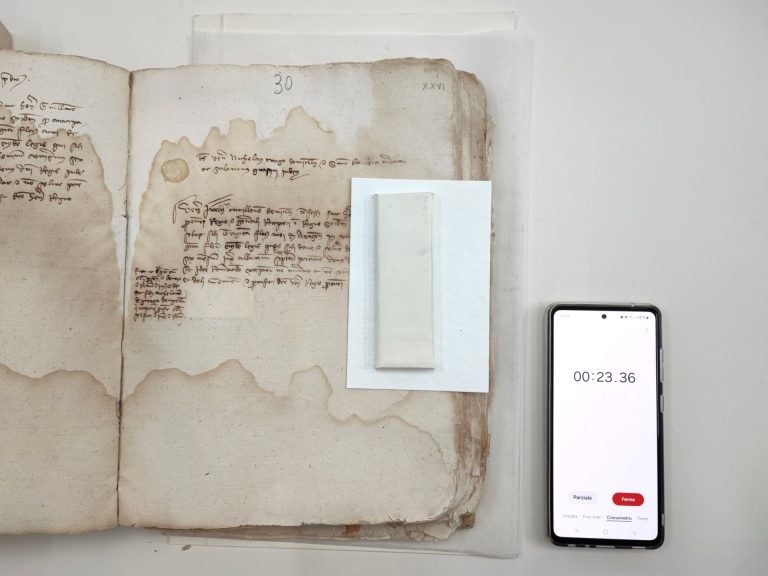
Indirect conservation includes all actions that affect environmental conditions and the ways in which heritage is managed, with the aim of preventing the onset of deterioration.
Temperature, humidity, light, storage methods and handling directly affect the stability of materials.
Acting on these factors reduces the need for invasive restoration and ensures the sustainable management of heritage over time.
List of interventions
- Monitoring of thermo-hygrometric parameters: constant monitoring of temperature and humidity in repositories in order to prevent deformation, condensation and microbiological growth.
- Condition mapping: systematic survey of the condition of documents in order to identify critical issues and types of deterioration.
- Definition of intervention priorities: assessment of risk, state of conservation and documentary value in order to plan interventions.
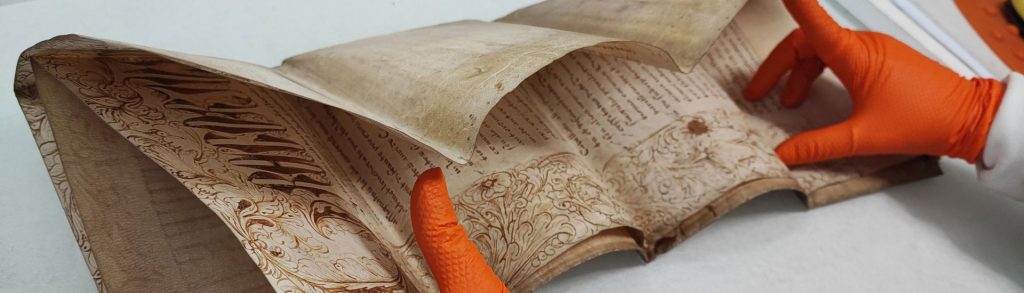
Restoration case studies
Real interventions on heritage documents, documented through images, video and technical descriptions
Conservation and restoration interventions are designed in relation to the material characteristics of the documents and consultation requirements.
This section brings together a number of case studies illustrating the different types of intervention carried out by the laboratory. They provide concrete examples of treatment processes and the results achieved.
If you need further information, please complete the form below to contact the Archive staff.
Error: Contact form not found.


